
Why Business Cards Are Still Relevant in a Digital World
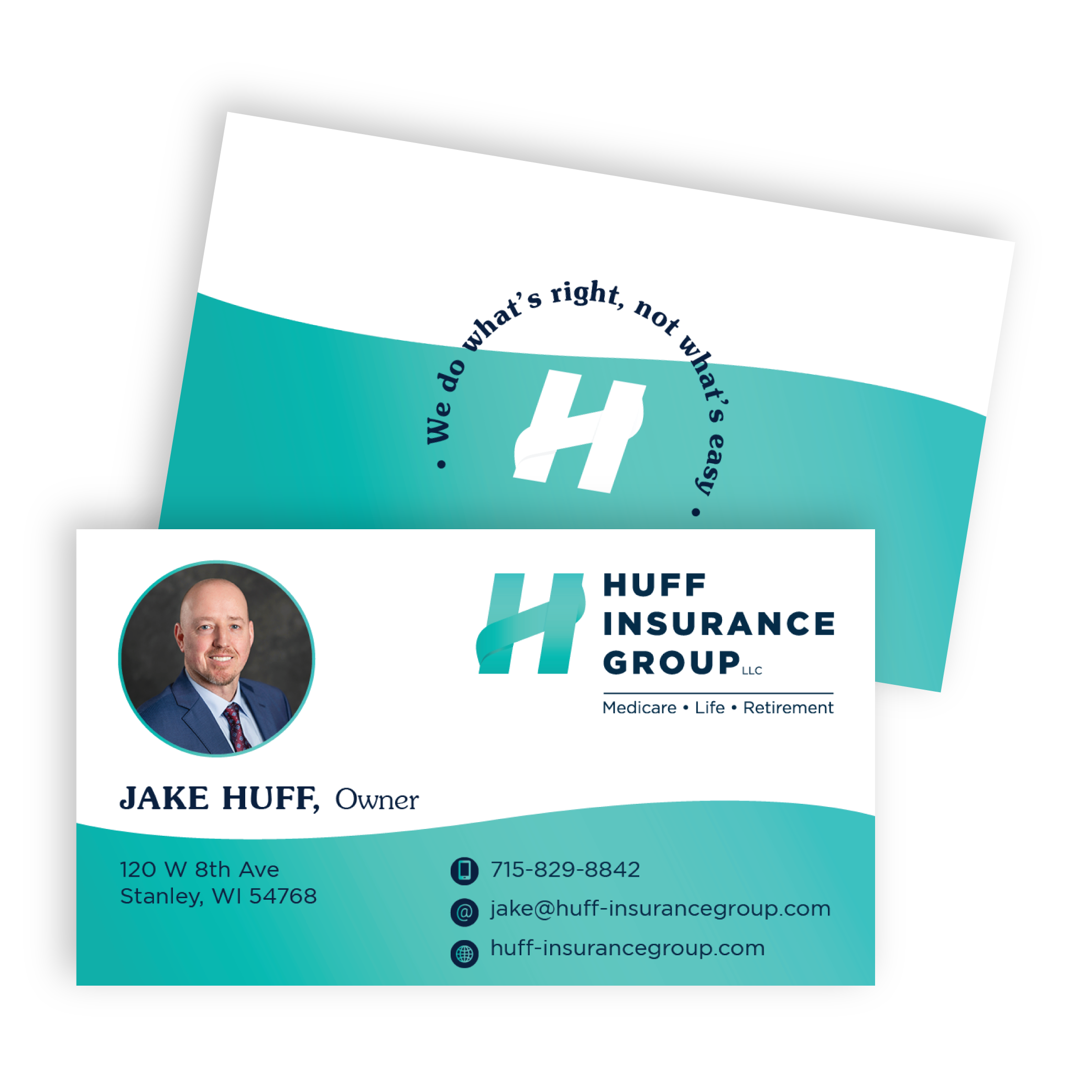
In a world of LinkedIn connections and QR codes, you might wonder if business cards still matter. Short answer: yes.
A business card is often the last thing someone sees after a great conversation. It’s the small reminder that says, “Oh yeah, I liked them.” When it’s thoughtful and well designed, it sticks. When it’s not, it gets lost in a pocket—or buried in a tradeshow bag of goodies.
At Tingalls, we’ve designed a lot of business cards—several hundred since 2000. So we thought we’d share a few design tips and best practices to help turn yours from a small snippet of paper into a strong brand touchpoint.
Start With Your Industry, Then Make It Yours
It’s smart to look at what others in your industry are doing. A realtor’s card usually feels different than a brewery’s—and that’s a good thing. The goal isn’t to copy, though. It’s to understand expectations and then build something that feels like you.
“I always tell clients to look around for inspiration, but not imitation. The best cards feel familiar enough to trust and unique enough to remember.”
- Kallie, Senior Designer
Fonts Do More Than You Think
Fonts aren’t just about style—they guide the eye. Your name above all else, should stand out. Your company logo comes in second contact info third but still easily read without squinting. If you run out of room on the front, remember: you have two sides for a reason!
Using one font family with a few different weights often works beautifully. It keeps things clean while still creating hierarchy.
“If someone has to work to read your card, they won’t. Clear type is one of the simplest ways to look professional.”
- Nicole, Designer
Keep the Content Short and Sweet
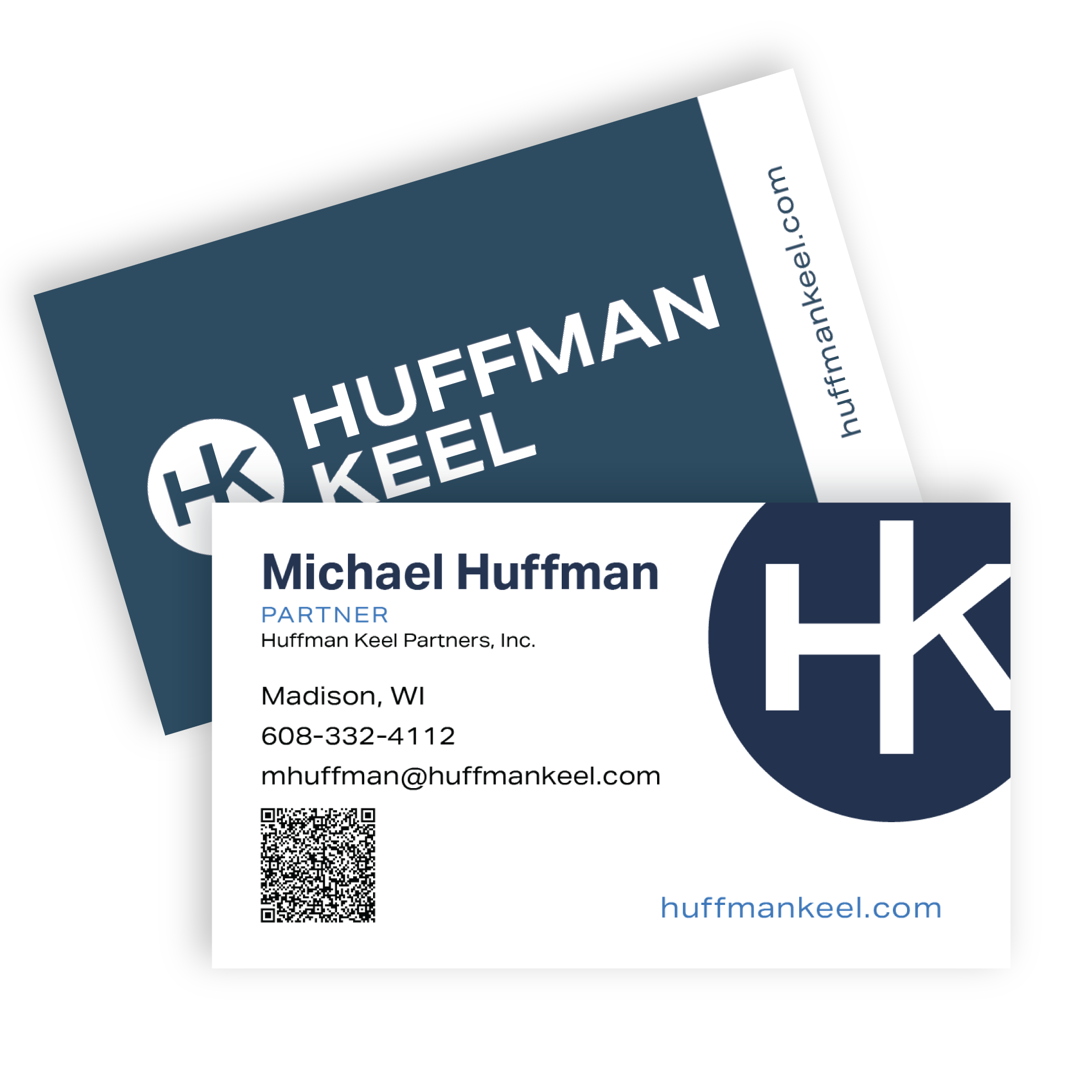
A business card should just include pertinent contact details including:
Name
Title
Company Logo
Phone (office and cell)
Email
Website
If your company’s been around a long time, the founding year can be a nice credibility boost. Or, if you have a cool portfolio of your work on your website or want to send people to your LinkedIn profile, consider creating a QR code.
White Space Is Your Secret Weapon
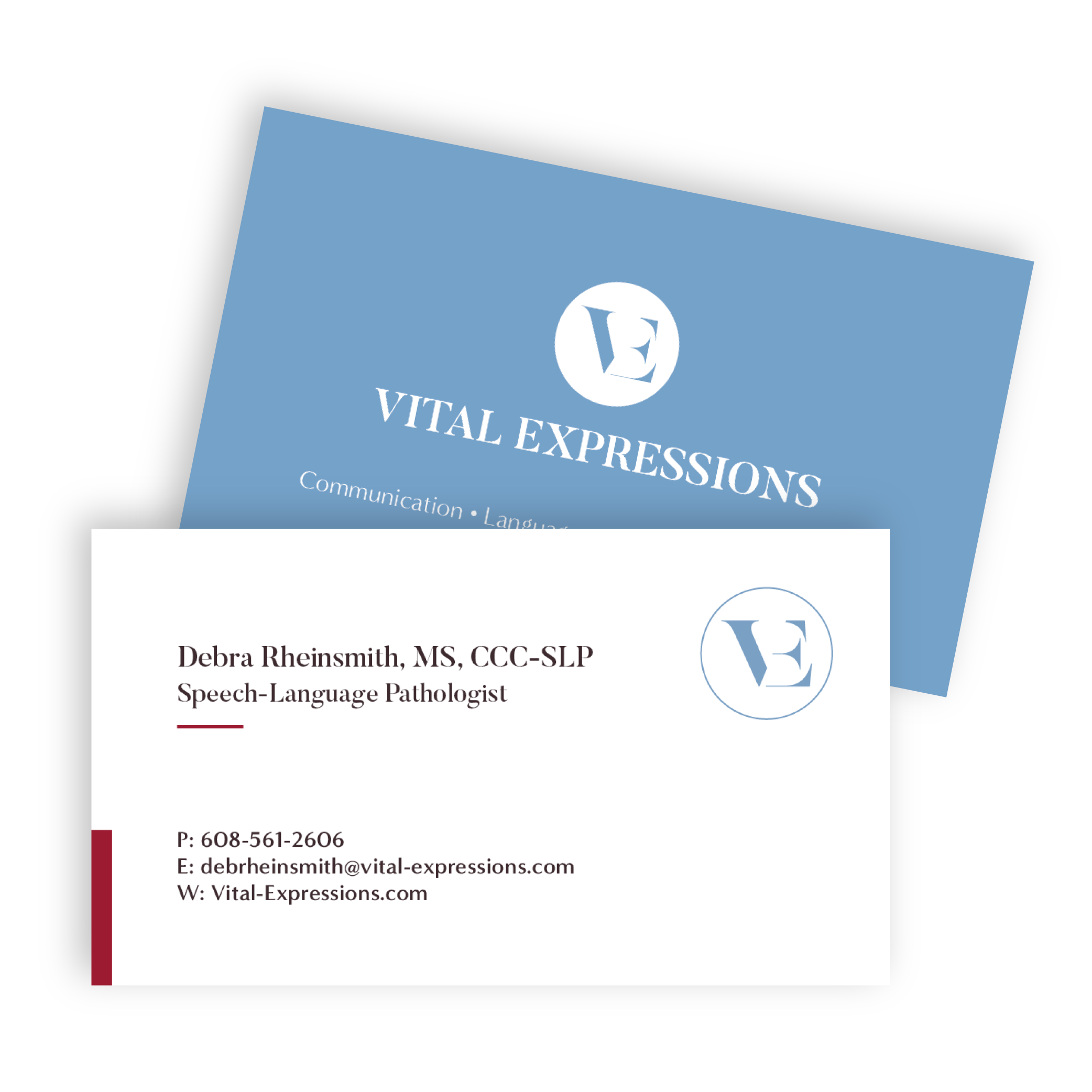
One of the biggest mistakes we see is trying to fill every inch of the card. White space isn’t empty—it’s breathing room. It helps the important stuff stand out and makes the card feel intentional.
“When content has room to breathe, the whole piece feels more polished.”
— Tingalls Designer
Printing Details Matter More Than You Think
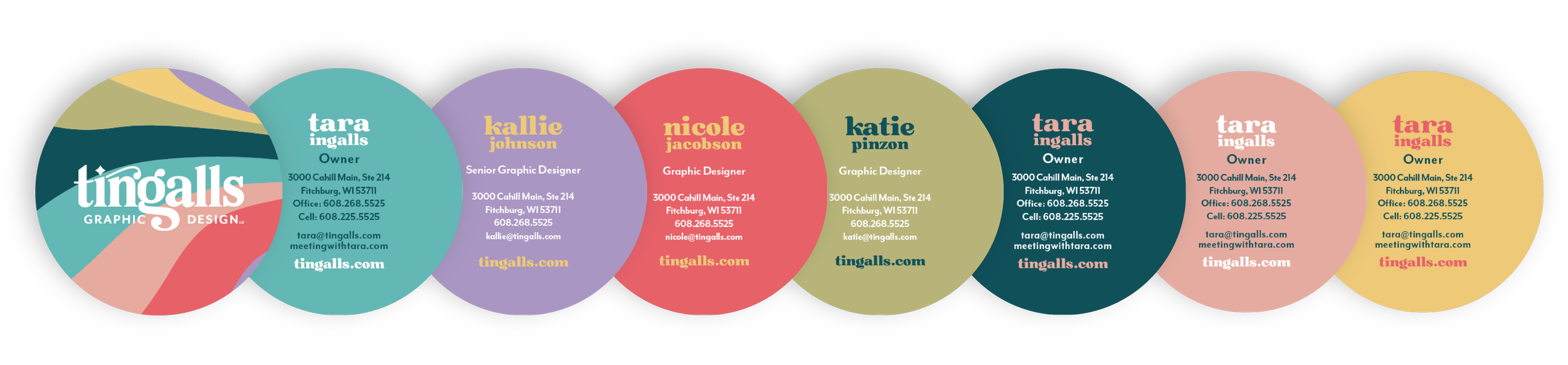
Invest in a nice heavy cardstock vs. printing cards at home on flimsy paper from Office Depot. We’ve designed some really neat business cards over the years. Some have foils or UV gloss coating, embossed text. Even adding small trim details like rounded corners or diagonal cuts can really make an impact.
This is where working with a designer (and a trusted printer) really pays off.
The Bottom Line
Business cards still work because people still meet people. A well-designed card reinforces that connection and keeps the conversation going long after the handshake.
If you want a card that feels like you—clear, confident, and memorable—we’re always happy to help.
